

Key takeaways
- Every six months: Plug in each stored drive, let it run for a few minutes, and open a few files.
- Every year: Run a full read or health check where your tools allow it.
- Every three to five years: Copy the data to a new drive. Treat old media as temporary.
- Always: Keep an index of what is on each drive, so you do not have to power up everything to find a file.
Store drives in a cool, dry, stable place, inside a padded case or anti-static bag, and plug them in a couple of times a year. Avoid attics, garages, damp basements and anywhere near magnets or heat. No drive is a permanent archive, so keep more than one copy and plan to migrate to new media every few years.
Storage Gear Compared
| Pick | Best for | Key feature |
|---|---|---|
| Pelican 1040 Micro Case | Single portable drives | Hard shell and watertight seal |
| Anti-static shielding bags | Loose internal drives | Static protection for bare disks |
| Orico Hard Drive Protection Case | Everyday bags and shelves | Padded EVA shell, affordable |
| Silica gel desiccant packs | Humid climates | Absorbs moisture inside containers |
| SentrySafe Fireproof Box | Home archive copies | Fire and water resistant box |
Why Drives Degrade in Storage
People assume an unplugged drive sits unchanged forever. In reality, several things can go wrong. Hard disks have lubricants and mechanical parts that can stiffen after long idle periods, and the read heads can stick. Magnetic data on a platter can weaken over very long spans. SSDs store charge in flash cells, and when unpowered for a long time, that charge can leak, especially in warm conditions. Humidity causes corrosion on connectors, and static discharge can kill electronics. None of this happens overnight, but it explains why long-term storage needs conditions and a routine.
Choose the Right Environment
Aim for a room-temperature spot with stable conditions: a closet or drawer in the living area works better than the garage. Avoid temperature swings, direct sunlight and damp. Keep drives away from strong magnets, such as speakers, since magnetic fields can harm hard disks. Store them upright or flat according to the manufacturer’s guidance, and never stack heavy objects on top. If you live in a humid region, add silica gel packs to the container and replace or recharge them periodically.
Pack Each Drive Properly
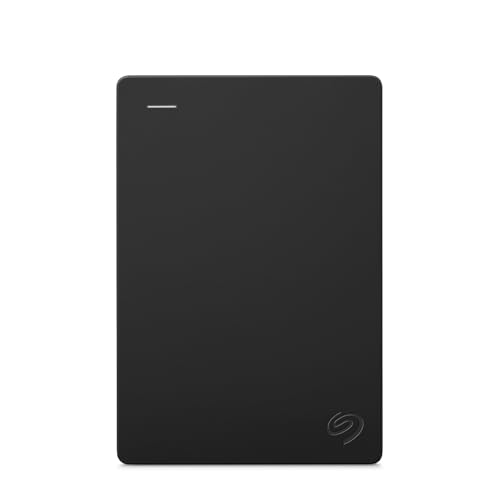
For portable drives, a hard case protects against crushing and moisture. The Pelican 1040 micro case has a watertight seal and a compact size, which suits a single small drive and its cable. For a cheaper, everyday option, a padded Orico hard drive protection case holds a drive and cable in foam. Bare internal drives should go into anti-static shielding bags and then into a rigid box or padded container, never loose in a drawer. Always keep the label side visible and write the date, contents and a short description on the outside.
Control Moisture
Moisture is the quiet enemy of connectors. Place a few silica gel desiccant packs inside your storage box and keep it closed. Do not let the packs touch the drive directly. Check them every few months, and swap or dry them out if they are saturated. If you ever bring a cold drive from outside into a warm room, let it sit in its case for a while before use, so condensation does not form on the electronics.
Protect Against Fire and Water
For archives that would be painful to lose, a fire-resistant box adds a layer of safety. A SentrySafe fireproof box is designed to protect papers and media for a rated time, but check the product specifications, because ratings for paper and for digital media can differ. Even a good box is not a substitute for offsite storage, so keep another copy elsewhere if the data is truly valuable.
Organize and Document Your Archive
A pile of drives is only useful if you can find things on them. Create a simple spreadsheet or text file that lists each drive by name, the date it was last filled, the folders it holds and the date you last checked it. Give each drive a short number and write that number on the case with a permanent marker. Store the index in two places, such as your computer and a printed copy in the same box. That way, years from now, you will not need to plug in six drives to find one wedding album.
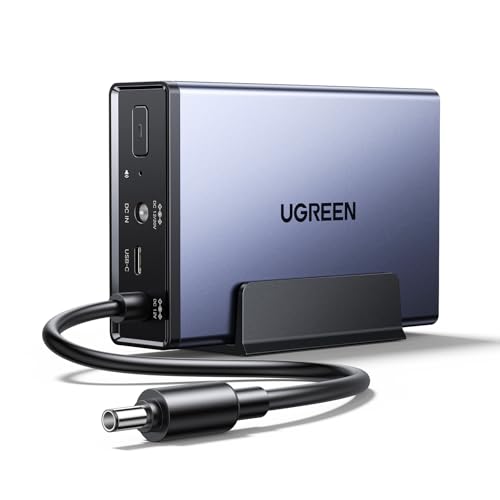
Also record what is needed to read each drive: the file system it uses, whether it is encrypted, and where the password is stored. An encrypted archive with a lost password is as bad as a destroyed drive. Keep passwords in a reputable password manager and share an emergency copy with a trusted family member if appropriate. Finally, keep the original cable and power adapter with desktop drives, and note the connector type, since ports change over the years.
When you retire a drive, do not just toss it. Erase it with a proper wipe tool, or physically destroy it if it held sensitive material, so private files do not end up in the wrong hands.
Plan for Format Change
Storage interfaces come and go. Parallel IDE drives gave way to SATA, and USB connectors have changed repeatedly. A drive that works perfectly may become hard to connect in ten years. Use common formats, keep a spare adapter in your archive box, and migrate old data to current media when you replace your computer. Treat the migration as a scheduled chore, not an emergency, and your archive will outlive any single device.
Build a Maintenance Routine
- Every six months: Plug in each stored drive, let it run for a few minutes, and open a few files.
- Every year: Run a full read or health check where your tools allow it.
- Every three to five years: Copy the data to a new drive. Treat old media as temporary.
- Always: Keep an index of what is on each drive, so you do not have to power up everything to find a file.
Common Mistakes
- Storing one copy. A single stored drive is a single point of failure.
- Using the attic or garage. Heat and humidity speed up deterioration.
- Forgetting the cable and power adapter. A drive without its special cable can be difficult to use years later.
- Using old file formats. Also store files in open, widely supported formats.
- Not labeling. Unlabeled drives get wiped by mistake or thrown away.
Special Cases: SSDs, Tapes and Optical Discs
Different media age differently. Portable SSDs should be powered on more often than hard disks, ideally every few months, because charge in flash cells fades without power. Optical discs are cheap and immune to magnetic fields, but cheap recordable discs can degrade and drives to read them are disappearing. Magnetic tape is used by archivists, though it is rarely practical at home. For most households, a mix of hard drives and a cloud copy remains the simplest, most dependable approach, with periodic migration to newer media.
FAQ
How long can a hard drive sit unused?
There is no guaranteed time. Many work after several years, while others fail sooner. Check them regularly and maintain more than one copy.
Are SSDs good for long-term archives?
Not on their own. Unpowered SSDs can lose data over time, particularly in heat, so they need periodic power-on and refresh like other media.
Should I store a drive in a freezer?
No. Freezing causes condensation and mechanical stress, and it is not recommended by manufacturers.
Is a safe deposit box a good idea?
It can be a good offsite location for a backup drive, provided it is padded and you rotate it regularly.
Conclusion
Long-term storage comes down to a stable environment, proper packaging and a routine. Treat every drive as temporary, keep at least two copies, and migrate your archive to fresh media every few years. A small investment in cases and desiccant is cheap compared with losing years of memories.
As an Amazon Associate we earn from qualifying purchases.
More from Amazon
Programs that pair well with the guide above. Offers and eligibility are set by Amazon and may change.
A free business account with business pricing and bulk-buying tools for work, shop or home office.
Create a business accountFree shipping on eligible items, Prime Video and more. Eligible new members can start with a free trial.
Start a Prime free trialAudiobooks and podcasts to listen to on the go. Eligible new members can start with a free trial.
Try Audible freeAd-free music streaming. Eligible new subscribers can start with a free trial.
Try Music Unlimited freeAs an Amazon Associate we earn from qualifying purchases.





Write Your Review
No reviews yet. Be the first to share your experience!