
Our Short List of 3
All 5 Picks at a Glance
| Product | Specs | Action |
|---|---|---|
 Polk Monitor XT35 Slim Center Channel Speaker | Check price on Amazon | |
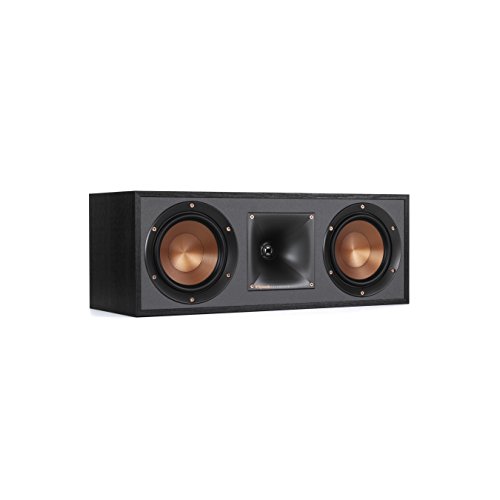 Klipsch R-52C Center Channel Speaker | Check price on Amazon | |
 Sony SSCS8 2-Way 3-Driver Center Channel Speaker | Check price on Amazon | |
 SVS Prime Center Speaker | Check price on Amazon | |
 Micca MB42-C Center Channel Speaker | Check price on Amazon |
Key takeaways
- Compare the best center channel speakers for crisp movie dialogue, from slim soundbar-style centers to full-size three-way cabinets for home theater.
A center channel speaker is the dedicated dialogue speaker in a home-theater surround setup, carrying most spoken lines and anchoring voices to the screen. It is a different kind of product from Bluetooth, computer, ceiling, and conference speakers, which are built for portable playback, desktop use, background audio, and meeting rooms rather than for a surround front stage. If dialogue in movies keeps getting buried under music and effects, the center channel is usually the weak link, because in a surround mix this single speaker carries most spoken lines and the front soundstage anchor, so upgrading it changes clarity more than almost any other single swap. The five passive centers below cover slim cabinets for tight TV stands, horn-loaded designs for lively rooms, a true three-way flagship, and a compact budget option, and every one connects to a standard AV receiver with ordinary speaker wire.
As an Amazon Associate, we earn from qualifying purchases.
Quick answer
For most setups, the Polk Monitor XT35 is the easiest recommendation: it is only four inches tall, wall-mountable, and built for clear dialogue. The Klipsch R-52C plays louder with less receiver power, the Sony SSCS8 is the value pick, the SVS Prime Center is the true three-way flagship, and the Micca MB42-C suits small rooms and tight budgets.
Polk Monitor XT35 Slim Center Channel Speaker
The Monitor XT35 solves the most common center channel problem, which is physical space. The cabinet measures 24 inches wide, 6 inches deep, and only 4 inches tall, so it slides under most TVs without blocking the screen or the remote sensor, and Polk rates it for wall mounting when a stand offers no shelf at all. Inside, a 1-inch Terylene tweeter works with four 3-inch Dynamically Balanced woofers, an array that spreads sound across a wide seating area instead of beaming dialogue at one cushion. The listing describes the XT35 as Hi-Res Audio Certified and compatible with Dolby Atmos and DTS:X receivers, and its 8-ohm impedance makes it an easy load for entry-level AV receivers. At 14 pounds it feels solid without stressing a glass TV stand. Because the drivers are timbre-matched to the rest of the Monitor XT line, it blends cleanly with XT bookshelf or tower fronts, although it also works as a standalone dialogue upgrade. Frequency response and recommended amplifier power are not stated in the specifications consulted for this guide. Choose the XT35 when shelf height is the limiting factor and you still want a full, room-filling center image rather than a soundbar-style compromise.
Klipsch R-52C Center Channel Speaker
The R-52C is the traditional full-size center in this roundup, built around the horn-loaded approach to efficiency that Klipsch is known for. It is a 2-way design with dual 5.25-inch spun copper IMG woofers and a 1-inch aluminum tweeter built with Linear Travel Suspension and a Kapton suspension, a combination aimed at clean output at high volume with low distortion. The cabinet measures 18.75 inches wide, 7.3 inches tall, and 7.62 inches deep, and it weighs 13.5 pounds, so it needs a proper shelf rather than a slim TV ledge. Horn-loaded tweeters project dialogue forward, which helps in large or lively rooms where voices can get lost among reflections, and this efficiency means modest receivers can still drive it to cinema-style levels. The black finish and removable grille keep it visually quiet under a screen. It is the natural partner for Klipsch Reference bookshelf and tower speakers, and its forward, detailed presentation suits action films and story-driven games where voices compete with effects for attention. The frequency response, sensitivity, impedance, and recommended amplifier power are not stated in the specifications consulted for this guide. Pick the R-52C if your room is big, your seating sits far from the screen, or your receiver is short on power and needs an efficient speaker.
Sony SSCS8 2-Way 3-Driver Center Channel Speaker
Sony’s SSCS8 takes a different route to clarity, using a 2-way, 3-speaker bass-reflex layout with two 100 mm Mica Reinforced Cellular cone woofers and a 25 mm soft dome tweeter. The foamed mica diaphragms stay light and rigid at the same time, supporting the fast, precise vocal reproduction the Core Series is known for. Published specifications list a frequency response of 55 Hz to 25 kHz, sensitivity of 86 dB, maximum input of 145 watts, and dimensions of 17 inches wide, 5.75 inches tall, and 8.75 inches deep, making it noticeably more compact than the Klipsch while still using full-size woofers. One detail to check before ordering is impedance: the SSCS8 is a 6-ohm speaker, so confirm your receiver is rated for 6-ohm loads, as most modern AV receivers are. It is the obvious match for Sony Core Series fronts such as the SS-CS5 bookshelf speakers, completing a matched front stage at modest total cost. For smaller rooms, apartment theaters, and first surround systems built around an affordable receiver, the SSCS8 delivers the essential center channel upgrade, clearer dialogue anchored to the screen, without a large cabinet or a powerful amplifier.
SVS Prime Center Speaker
The Prime Center is the flagship of this group and the only true 3-way design here. A 1-inch aluminum dome tweeter and a dedicated 3.5-inch polypropylene midrange driver sit above dual 5.25-inch polypropylene woofers, with crossovers at 350 Hz and 2.4 kHz keeping voices in the midrange driver rather than split across the woofer pair. SVS rates the speaker from 48 Hz to 25 kHz, with 86 dB sensitivity, 8-ohm impedance, and recommended amplifier power of 20 to 200 watts. The cabinet uses dual rear-firing ports and a single set of 5-way binding posts, weighs 20.2 pounds, and stands about 7.7 inches tall, so it needs a sturdy shelf and a little breathing room behind it. Finishes are Premium Black Ash and Piano Gloss Black. That dedicated midrange is exactly what serious movie audio needs, because dialogue stays composed during loud scenes instead of thinning out as effects swell around it. The Prime Center makes the most sense for dedicated theater rooms, larger displays, and listeners who already own capable fronts and want a center that will not become the bottleneck as the system grows. Its width and depth are not stated in the specifications consulted for this guide, so measure your shelf against the stated height and weight before ordering.
Micca MB42-C Center Channel Speaker
The MB42-C is the compact budget entry, a passive 2-way center sold individually for small systems and small rooms. It pairs dual 4-inch carbon fiber woofers with a silk dome tweeter in a cabinet far smaller than the full-size centers above, which makes it workable on a desk, a narrow media console, or in a bedroom setup where a 24-inch-wide speaker simply will not fit. Micca positions the MB42-C as the matching center for its MB42 and MB42X bookshelf speakers, so a complete front stage can be assembled in one family with consistent voicing across all three channels. The trade-offs are the expected ones at this size: smaller woofers move less air, so deep male voices and on-screen effects carry less weight than they do through the larger designs here, and a subwoofer crossover on the receiver becomes close to mandatory. Exact cabinet dimensions, frequency response, sensitivity, impedance, and recommended amplifier power are not stated in the specifications consulted for this guide. Within those limits, it still does the one job a center channel exists for, anchoring dialogue to the screen instead of letting it smear across the fronts. For a first surround system, a secondary room, or a desktop theater built around a compact receiver, the MB42-C is a sensible, space-friendly starting point.
How to choose
Start with fit. Measure the height between your TV stand surface and the bottom of the screen, then compare it with cabinet heights here, which range from the XT35 at 4 inches to the SVS at roughly 7.7 inches. Next, match the family: a center from the same speaker line as your left and right fronts keeps voices tonally consistent as sounds pan across the screen. Check impedance and sensitivity against your receiver, noting the Sony’s 6-ohm rating and the Klipsch’s efficiency advantage for weaker AV receivers. Port location matters too, since the rear-ported SVS wants space behind it, while the slim Polk can sit nearly flush or on the wall. Finally, run room correction after installing any center, and set its crossover so deep bass goes to the subwoofer.
Who should skip
Skip this entire category if you use a soundbar, since these are passive speakers that do nothing without an AV receiver and speaker wire. Stereo-only listeners with no plans for surround sound will not use a center channel at all. Anyone whose TV stand cannot fit even a 4-inch-tall cabinet should look at in-wall or soundbar options instead, and desktop users sitting a few feet from small powered monitors will get more from upgrading those monitors than from adding a passive center. Buyers who want wireless playback, built-in voice control, or a speaker that works on its own should shop Bluetooth or smart speakers instead, because none of the five models here plays anything without a receiver.
FAQ
Does a center channel speaker need an AV receiver?
Yes. Every speaker in this roundup is passive, which means it has no amplifier of its own and connects to an AV receiver with speaker wire. The receiver decodes the surround mix, sends dialogue and on-screen sounds to the center channel, and lets you adjust its level independently so voices stay clear at any volume.
Should the center channel match my front speakers?
Matching the same product family is the safest route, because manufacturers voice a line to sound consistent, and dialogue pans smoothly when the center and front speakers share a tonal character. A mismatched center can still work well, especially for dialogue, but running your receiver’s room correction setup afterward helps blend different speakers together.
Where should a center channel speaker be placed?
Center it directly under or above the screen, as close to ear height as your furniture allows, and pull it to the front edge of the shelf so sound does not reflect off the surface below it. Tilting it slightly toward the seating position helps, and rear-ported models such as the SVS Prime Center need a few inches of space behind the cabinet.
Can a center channel improve dialogue in games?
Yes. Most modern games with surround mixes place voices, narration, and on-screen effects in the center channel, just like films do. A capable center makes cutscene dialogue and character callouts easier to follow without raising the overall volume, which is especially useful in story-heavy titles played through a receiver and a 5.1 speaker layout.
Final verdict
The Polk Monitor XT35 is the best default choice because its slim, wall-mountable cabinet fits where most centers cannot while keeping dialogue clear. Choose the Klipsch R-52C for big rooms and modest receivers, the Sony SSCS8 for a compact matched system on a budget, the SVS Prime Center for a dedicated theater that deserves a true three-way flagship, and the Micca MB42-C where space and budget are tightest.
Product and ASIN Reference
| Product | ASIN |
|---|---|
| Polk Monitor XT35 Slim Center Channel Speaker | B09BMWZ29F |
| Klipsch R-52C Center Channel Speaker | B07FK41FGL |
| Sony SSCS8 2-Way 3-Driver Center Channel Speaker | B00O8YLNRS |
| SVS Prime Center Speaker | B00PASUGTC |
| Micca MB42-C Center Channel Speaker | B00HH2GINM |
More from Amazon
Programs that pair well with the guide above. Offers and eligibility are set by Amazon and may change.
A free business account with business pricing and bulk-buying tools for work, shop or home office.
Create a business accountFree shipping on eligible items, Prime Video and more. Eligible new members can start with a free trial.
Start a Prime free trialAudiobooks and podcasts to listen to on the go. Eligible new members can start with a free trial.
Try Audible freeAd-free music streaming. Eligible new subscribers can start with a free trial.
Try Music Unlimited freeAs an Amazon Associate we earn from qualifying purchases.







Write Your Review
No reviews yet. Be the first to share your experience!