

Key takeaways
- Compare five rugged action cameras from GoPro, DJI, Insta360 and Akaso, with resolution, stabilization, waterproof depth and card needs covered.
An action camera is often the only witness to footage that can never be shot twice: a survey descent, a site inspection in the rain, a first descent on a mountain bike. That makes the camera part of a data workflow, not just a toy. The right model pairs durable hardware with fast memory card support, predictable file sizes and battery life that lasts the whole outing, so the footage survives the trip back to the workstation. This guide compares five current models, from 8K flagships to a budget 4K option, with an eye on recording reliability and painless offload.
As an Amazon Associate, we earn from qualifying purchases.
Quick answer
The GoPro Hero 13 Black is the most versatile pick, with 5.3K video, HyperSmooth 6.0 stabilization and interchangeable lens mods. The DJI Osmo Action 5 Pro leads on battery life and depth rating, the Insta360 Ace Pro 2 leads on resolution and low light, and the Hero 12 Black and Akaso Brave 8 serve smaller budgets.
GoPro Hero 13 Black

The Hero 13 Black is GoPro’s flagship and the most expandable action camera in this roundup. It records 5.3K video at 60 frames per second and 27MP stills from a 1/1.9-inch sensor, with HyperSmooth 6.0 stabilization keeping helmet and handlebar footage level. Its standout feature is compatibility with the HB-Series lens mods, which add ultra-wide, macro and anamorphic options, with automatic lens detection when a mod is attached.
The body is waterproof to 33 feet without a housing, and the included Enduro battery is designed to stretch recording time in cold and warm conditions alike. GPS data can be overlaid on footage through the companion app, and voice control, live streaming and a webcam mode round out the feature set. The third-party mount ecosystem is the deepest in the category, so clamps, chest harnesses and vehicle mounts are easy to source. The trade-offs are a sensor smaller than the DJI and Insta360 rivals, which means noisier low-light footage, and lens mods that cost extra. For shooters who want one camera that adapts to the widest range of field conditions, this is the default recommendation.
DJI Osmo Action 5 Pro Standard Combo

The Osmo Action 5 Pro is built around endurance and low-light ability. Its 1/1.3-inch sensor is larger than GoPro’s, and it shows in cleaner dusk and indoor footage, with 4K recording at up to 120 frames per second for smooth slow motion and 40MP stills. Subject tracking keeps a moving person centered in the frame, and HorizonSteady stabilization holds the horizon level through aggressive movement.
Battery life is the headline: DJI rates the camera for up to four hours of recording in favorable conditions, far beyond most rivals, which means fewer mid-outing swaps and fewer gaps in coverage. Waterproofing reaches 20 meters without a case, the deepest rating here, and dual OLED touchscreens on the front and back make framing and settings changes easy. A built-in pressure sensor logs depth and altitude data for divers and riders, useful metadata when footage is archived alongside a trip log. The mount ecosystem is smaller than GoPro’s, though magnetic quick-release adapters narrow the gap. For long days where the camera cannot come back to a charger, the Action 5 Pro is the strongest pick in this guide.
Insta360 Ace Pro 2

The Ace Pro 2 pushes resolution further than anything else here, recording 8K video at 30 frames per second and 4K at up to 120 frames per second from a 1/1.3-inch sensor behind a lens co-engineered with Leica. That headroom means reframing and cropping in editing costs little quality, and AI noise reduction produces the cleanest night and low-light footage in this roundup, a genuine weak point for most action cameras.
The 2.5-inch flip touchscreen is the best screen here for self-framing, FlowState stabilization is smooth and reliable, and the body is waterproof to 39 feet. Dual AI chips power features such as automatic highlight assembly in the app, gesture control and voice commands. This listing is the dual battery configuration, which helps because high-resolution modes draw power quickly. Plan storage accordingly: 8K files are large, so fast, spacious microSD cards and a disciplined offload routine matter more with this camera than with any other pick. It is slightly bulkier than the GoPro and DJI designs, and its mount ecosystem is the smallest of the three flagships. Choose it when image quality and editing flexibility matter most.
GoPro Hero 12 Black

The Hero 12 Black keeps most of what made the previous flagship generation great. It records 5.3K video at 60 frames per second and 27MP photos with HDR video support, uses the same GP2 processor family, and delivers HyperSmooth 6.0 stabilization that is effectively indistinguishable from newer models in most sports footage. The 8:7 sensor aspect ratio is a quiet advantage, letting a single recording be cropped to widescreen or vertical formats for different platforms.
Battery efficiency improved meaningfully over its predecessor, with up to double the runtime at high resolutions from the included Enduro battery, and the body stays waterproof to 33 feet without a housing. What it lacks versus the Hero 13 Black is the lens mod system, GPS and the newer magnetic mounting options. Because it uses the classic GoPro mounting fingers, every existing mount and accessory works immediately, which matters for teams with a drawer of older hardware. For buyers who do not need interchangeable lenses, the Hero 12 Black remains a flagship-grade camera with the full GoPro ecosystem behind it.
Akaso Brave 8 4K Action Camera with Touch Screen

The Brave 8 is the budget option in this guide, and it covers the fundamentals well. It records 4K video at 60 frames per second, shoots 48MP stills and uses SuperSmooth stabilization to take the shake out of riding and running footage. Dual screens, a 2-inch rear touchscreen and a front-facing display, make self-framing straightforward, and the camera is waterproof to 33 feet on its own, extending to 196 feet inside the optional housing for diving.
Two batteries come in the box, along with a remote control and a starter set of helmet mounts, so a second-angle kit can be assembled without extra orders. Voice control and an adjustable super-wide field of view add flexibility. The compromises are real: the half-inch sensor trails the flagships in dynamic range and low light, stabilization is a step behind HyperSmooth and FlowState in rough terrain, and the companion app is less polished. As a risk-tolerant second camera for a handlebar, a kayak deck or a younger shooter, the Brave 8 delivers honest 4K performance and keeps the cost of a lost camera low.
How to choose
Start with the sensor. The 1/1.3-inch sensors in the DJI and Insta360 models gather more light, which matters at dawn, in forests and indoors; smaller sensors are fine in bright sun and snow. Match resolution to your editing and storage habits, because 5.3K and 8K files grow quickly and demand fast cards, a fast reader and real backup discipline. Check the waterproof rating against your sport, and whether it holds without a housing. Compare rated battery life and what ships in the box, since a second battery changes the real cost. Finally, verify the exact model against the CPSC recall database before ordering, and confirm the camera supports the microSD speed class its top recording modes require.
Who should skip
Skip action cameras entirely if your work is mostly deliberate tripod shooting, interviews or distant wildlife; a mirrorless camera serves those jobs better. Skip the flagship tier if finished footage lives only on a phone screen, where the budget models look nearly identical. The Brave 8 is the wrong pick for regular low-light or deep underwater work, and the Ace Pro 2 is overkill if you never crop footage or shoot at night. Shooters who dislike small touchscreens and deep menus may prefer a 360 camera or a phone on a gimbal instead.
Frequently asked questions
Which memory cards do these cameras need?
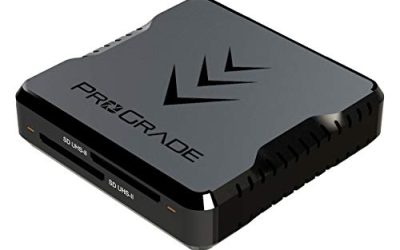
High-bitrate 4K, 5.3K and 8K recording requires fast microSD cards, ideally U3 or V30 rated models from reputable brands, and the highest modes can demand even faster sustained write speeds to avoid interrupted recordings. Capacity disappears quickly at top resolutions, so carrying several large cards and rotating them is safer than filling one card for an entire trip.
How should action camera footage be backed up in the field?
Offload cards to a laptop or portable drive at the end of each day, verify the copies open and play, and keep the card and the copy in separate bags until a second copy exists. Never format a card until two verified copies are stored in different places. High-resolution modes produce large files, so budget drive capacity before the trip, not during it.
How waterproof are these cameras without a case?
Ratings here range from 33 feet for both GoPro models and the Brave 8, to 39 feet for the Ace Pro 2, to 20 meters for the Osmo Action 5 Pro, all without housings. Those depths cover swimming, snorkeling, surfing and rainy rides. Technical diving, high-pressure jets and hot springs exceed the design brief, and seals should be checked for sand and grit before every immersion.
Can an action camera double as a stills camera?
Within limits. These models shoot stills from 27MP to 48MP and produce pleasing daylight photos with very wide fields of view. The fixed ultra-wide lens distorts faces at close range, there is no optical zoom, and small sensors struggle after dark. Most shooters treat an action camera as a specialist second body rather than a replacement for a phone or a mirrorless camera.
Final verdict
The GoPro Hero 13 Black is the most adaptable action camera here and the safest single recommendation, especially if lens mods or the deep accessory pool appeal to you. The Osmo Action 5 Pro wins on battery life and depth rating, the Ace Pro 2 wins on resolution and night footage, the Hero 12 Black is the value flagship, and the Brave 8 keeps the entry cost low. Whichever you choose, pair it with fast cards and a same-day offload habit, because rugged hardware only protects footage that actually makes it home.
Product and ASIN Reference
| Product | ASIN |
|---|---|
| GoPro Hero 13 Black | B0DCM34GXX |
| DJI Osmo Action 5 Pro Standard Combo | B0DBQTC2P7 |
| Insta360 Ace Pro 2 | B0DKTWPCD4 |
| GoPro Hero 12 Black | B0CDDY8F9L |
| Akaso Brave 8 4K Action Camera with Touch Screen | B0C4NF32NN |
More from Amazon
Programs that pair well with the guide above. Offers and eligibility are set by Amazon and may change.
A free business account with business pricing and bulk-buying tools for work, shop or home office.
Create a business accountFree shipping on eligible items, Prime Video and more. Eligible new members can start with a free trial.
Start a Prime free trialAudiobooks and podcasts to listen to on the go. Eligible new members can start with a free trial.
Try Audible freeAd-free music streaming. Eligible new subscribers can start with a free trial.
Try Music Unlimited freeAs an Amazon Associate we earn from qualifying purchases.
Write Your Review
No reviews yet. Be the first to share your experience!